
Buying it yourself is usually cheaper. In the UK your vet must give you a written prescription if you ask — and you can then fill it anywhere. VioVet stocks your pet’s repeat medication: check today’s price at VioVet. We earn a small commission if you buy through this link. It costs you nothing extra and never changes the prices we show.
A monthly injection, for the rest of your dog's life, at vet-practice prices. You're right to ask questions.
Librela is one of the most effective arthritis treatments available for dogs, but it's also one where the price varies wildly from practice to practice. Here's what it really costs, why the bill differs so much, and the legitimate ways to bring it down.

Photo: Pexels
What Is Librela, and Why Is It Different?
Librela (bedinvetmab) is a monthly injection licensed in the UK since 2021. It targets nerve growth factor (NGF), a protein involved in pain signalling, and is the first monoclonal antibody therapy licensed for dogs.
In plain English: instead of a daily tablet, your dog gets one injection a month that blocks pain at the source. For many dogs — especially seniors who can't tolerate long-term anti-inflammatories — it's been transformative. Older dogs often carry more than one lifelong prescription at once, from arthritis to heart failure in dogs and the cost of lifelong cardiac medication.
But there's a catch that matters for your wallet: Librela can't simply be bought with a written prescription and given at home by default. It must be administered as a subcutaneous injection by a veterinary professional — which means the usual 40–70% online pharmacy savings don't automatically apply.
What Does Librela Actually Cost in the UK?
Here's where it gets interesting — and frustrating.
- Typical vet practice price: £60–£90 per monthly injection, varying by dog weight and practice
- The real-world spread: across real UK prices collected between 2024 and 2026, the median actually paid was £60 — but prices ran from £24 all the way to £210
Read that again: two tutors, same medication, and one can pay several times more than the other. Dose is weight-based, so a Labrador costs more than a Yorkie — but weight alone doesn't explain a gap that size. It comes down to what actually drives pet medicine prices in the UK.
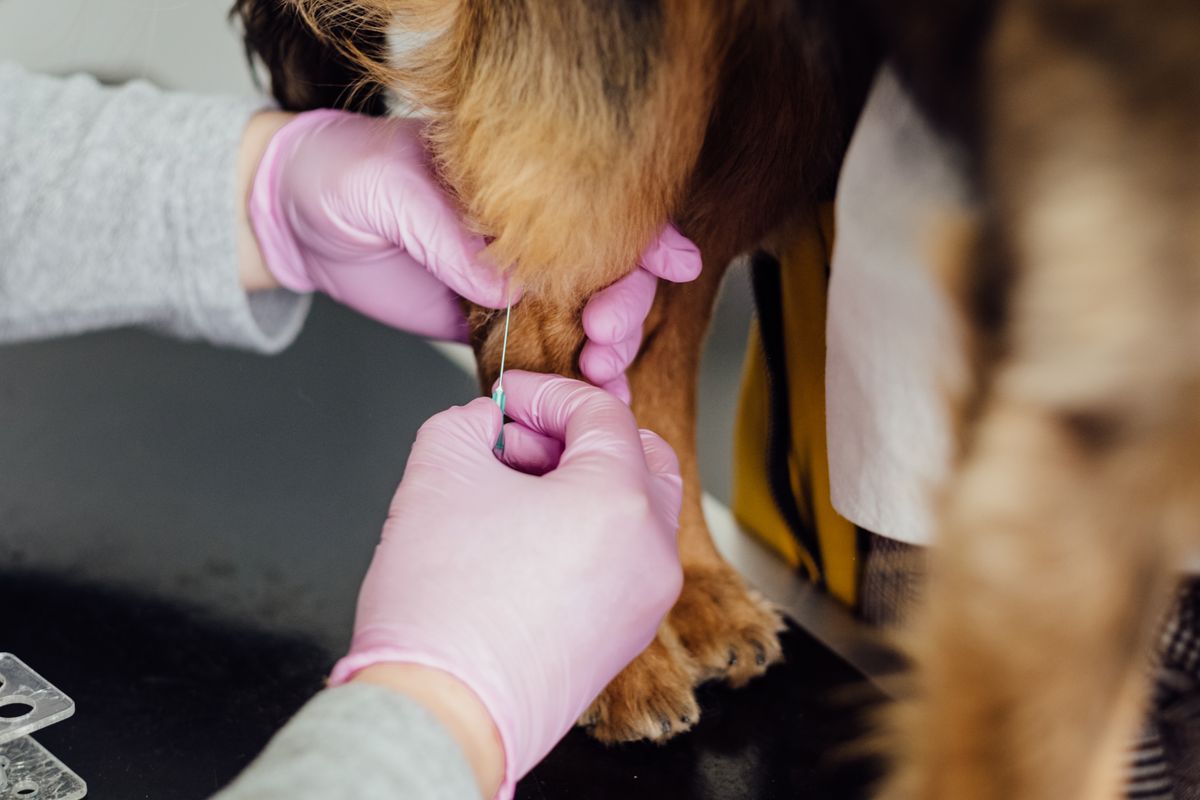
Photo: Pexels
Why the Same Injection Costs £60 at One Practice and £100 at Another
Three factors drive the difference:
- Your dog's weight. Librela is dosed by bodyweight, so bigger dogs need bigger (pricier) vials.
- Who owns the practice. The CMA found corporate-owned practices charged 18.3% more on average than independents — and because Librela is a repeat monthly cost rather than a one-off, that gap becomes meaningful over a year.
- What's bundled in. Some practices include a check-up in the price; others charge the injection and consultation separately.
4 Legitimate Ways to Pay Less for Librela
1. Compare practices near you — especially independents. This is the single biggest lever. A phone call to two or three local practices, including at least one independent, can save £20–£40 every month. Over a year, that's hundreds of pounds.
2. Ask your vet about a written prescription. Under fair trade rules, a vet cannot refuse to write a prescription for a drug they're already prescribing to your animal — and some online pharmacies can deliver Librela directly to your vet practice for them to administer. Some vets are also willing to teach tutors to give the simple subcutaneous injection at home, bringing the cost to around £50 a month — though this depends entirely on your vet's judgement.
3. Ask whether weight loss could lower the dose. Even a modest drop in bodyweight can move a dog into a lower dose band — which means a smaller vial and a smaller bill. Good for the joints, good for the wallet.

Photo: Pexels
4. Check your insurance timing. Arthritis is a lifelong condition, so when your policy started matters enormously. If the arthritis was noted before you took out the policy, it's likely excluded as pre-existing. If you're insured, a lifetime policy with a high annual limit is what keeps monthly injections covered year after year — and it's worth weighing whether pet insurance is worth it for an older dog before any condition appears.
Compare your dog's arthritis medication with Maggie
Compare your dog's exact arthritis medicine by active ingredient and see whether there's a cheaper equivalent — so you never overpay on a monthly injection.
Compare prices nowLibrela Alternatives Worth Discussing With Your Vet
Librela isn't the only option, and it isn't right for every dog:
- NSAIDs (Metacam, Loxicom): around £15–£35 from online pharmacies — much cheaper, but with gastrointestinal and kidney risks that make them unsuitable for some dogs long-term.
- Joint supplements: omega-3 and marine lipid supplements can support joint comfort, often alongside prescribed treatment.
- For cats: there's an equivalent called Solensia, also dosed by weight.
The right choice depends on your dog's age, kidneys, liver and overall health — which is a conversation for your vet, not a price comparison site. What IS our job: making sure you never overpay for whichever option you choose.
⚠️ Important reminder
This article is for educational purposes and does not replace veterinary advice. Never start, stop or switch your dog's arthritis treatment without consulting your vet.
The Bottom Line
Librela works — but the price you pay for it is far more negotiable than most tutors realise. The medication is identical everywhere; the bill isn't. A few phone calls, a prescription request and an honest chat with your vet about dosing can cut the lifetime cost of treatment dramatically, without compromising your dog's care. The same maths applies to any lifelong medication — we walk through it in detail for the lifetime cost of canine epilepsy.
Is your dog on Librela? We'd love to hear what you're paying and where — it helps every reader who lands here after their first £90 invoice.
Compare prices on arthritis medications and joint supplements now on Maggie Search
Where to buy your pet’s medication for less
Ask your vet for a written prescription, then fill it at an online pharmacy. For long-term medication the saving compounds every single month — for the same medicine, in the same box.
Check prices at VioVetWe earn a small commission if you buy through this link. It costs you nothing extra and never changes the prices we show.