
Buying it yourself is usually cheaper. In the UK your vet must give you a written prescription if you ask — and you can then fill it anywhere. VioVet stocks your pet’s repeat medication: check today’s price at VioVet. We earn a small commission if you buy through this link. It costs you nothing extra and never changes the prices we show.
Picture this. It's a normal Tuesday evening. Your dog seems a little off — not eating, a bit hunched. By midnight you're in an emergency clinic, and the vet says the words no pet parent wants to hear: "We need to operate tonight."
Then comes the second gut-punch — the estimate. £2,800. Right now. Before treatment starts.
That moment is exactly why the pet insurance pros and cons debate matters. So let's have it properly — no scare tactics. We'll put the real downsides on the table first, then show you the honest maths. Because when you see the numbers, the decision tends to make itself.

Photo: Unsplash
Let's Be Honest First: the Cons of a Pet Plan
A good article about pet insurance doesn't pretend it's flawless. It isn't. Here's the fair, straight version of the drawbacks — the same points a decent, honest advisor would tell you before you buy.
The honest downsides
- You pay every month, even in the healthy years. If your pet never gets ill, those premiums don't come back — you're buying cover, not a savings account.
- Premiums rise as your pet ages. Older pets claim more, so lifetime cover costs more over time.
- Pre-existing conditions usually aren't covered. Which is exactly why when you start matters.
- There's an excess, and sometimes a co-payment. It's rarely "£0 out of pocket".
- Waiting periods apply. Illness cover usually starts after a short window, not the instant you sign up.
That's the honest list. Now here's the part that changes everything: none of those cons come close to the cost of one serious vet bill without any cover at all.
The Pros: Where a Plan Really Earns Its Keep
1. It protects you from bills that arrive without warning
Vet costs in the UK have climbed sharply, and the "surprise" bills are the ones that hurt. It's the same pattern we've traced with medication — why identical pet medicines vary so much in price across the UK — except a surgery estimate lands all at once. Based on 2025 UK claims and vet-survey data:
- A standard consultation now averages around £62 — just to walk through the door.
- Complex surgery typically runs £800–£3,000+, with emergency operations reaching £3,300.
- Dog cancer / tumour removal commonly tops £1,300; the average dog claim sits around £1,254.
- For cats, average claims include roughly £1,028 for cancer and £1,273 for diabetes.
Figures from Animal Friends 2025 claims data, ManyPets and UK vet-cost surveys — illustrative averages; your local costs vary by region and clinic.
A pet plan turns a terrifying four-figure bill into a manageable, predictable monthly cost. That's the whole point.
2. It lets you decide with your heart, not your bank balance
This is the one most owners don't think about until it's too late. Without cover, treatment becomes a maths problem. With a plan, when the vet says "we can treat this," your answer is simply "yes, please." No agonising. No "economic euthanasia". No guilt. That peace of mind is the real product you're buying.
3. Lifetime cover keeps paying, year after year
The best plans are lifetime policies: conditions diagnosed while you're covered stay covered at each renewal, up to that year's limit. For chronic, ongoing illnesses — arthritis, diabetes, heart disease, or a lifelong condition like canine epilepsy — where costs repeat for years, this is where insurance quietly saves owners thousands.
4. It often includes more than you'd expect
Strong modern policies bundle in extras a savings pot never could — behavioural treatment, complementary therapies like hydrotherapy and osteopathy, dental cover, and 24/7 access to qualified vets by video call. More value, fewer excluded surprises.
The Honest Comparison: With a Plan vs Without
Here's the sincere test — the same scenario, side by side. Notice who's better off in every single row.
| The moment it happens | Without a pet plan | With a pet plan |
|---|---|---|
| £2,800 emergency surgery | The full £2,800 from your own pocket, tonight | You pay your excess (often ~£100–£200); the plan covers the rest |
| £1,254 cancer diagnosis in a senior dog | A bill you may have to fund on a credit card | Treatment approved, claim paid — you focus on your dog, not the invoice |
| £1,273 lifelong diabetes management | Recurring costs, every year, with no ceiling | Covered year after year under lifetime cover |
| The vet says "we can save them, but…" | You weigh love against money | You say "yes" — the decision is easy |
Even after paying premiums and an excess, the insured owner comes out ahead the moment a real claim lands. And most owners face one sooner than they think.
Why Older Pets Change the Maths Completely
If your dog or cat is entering their senior years, this section is written for you.
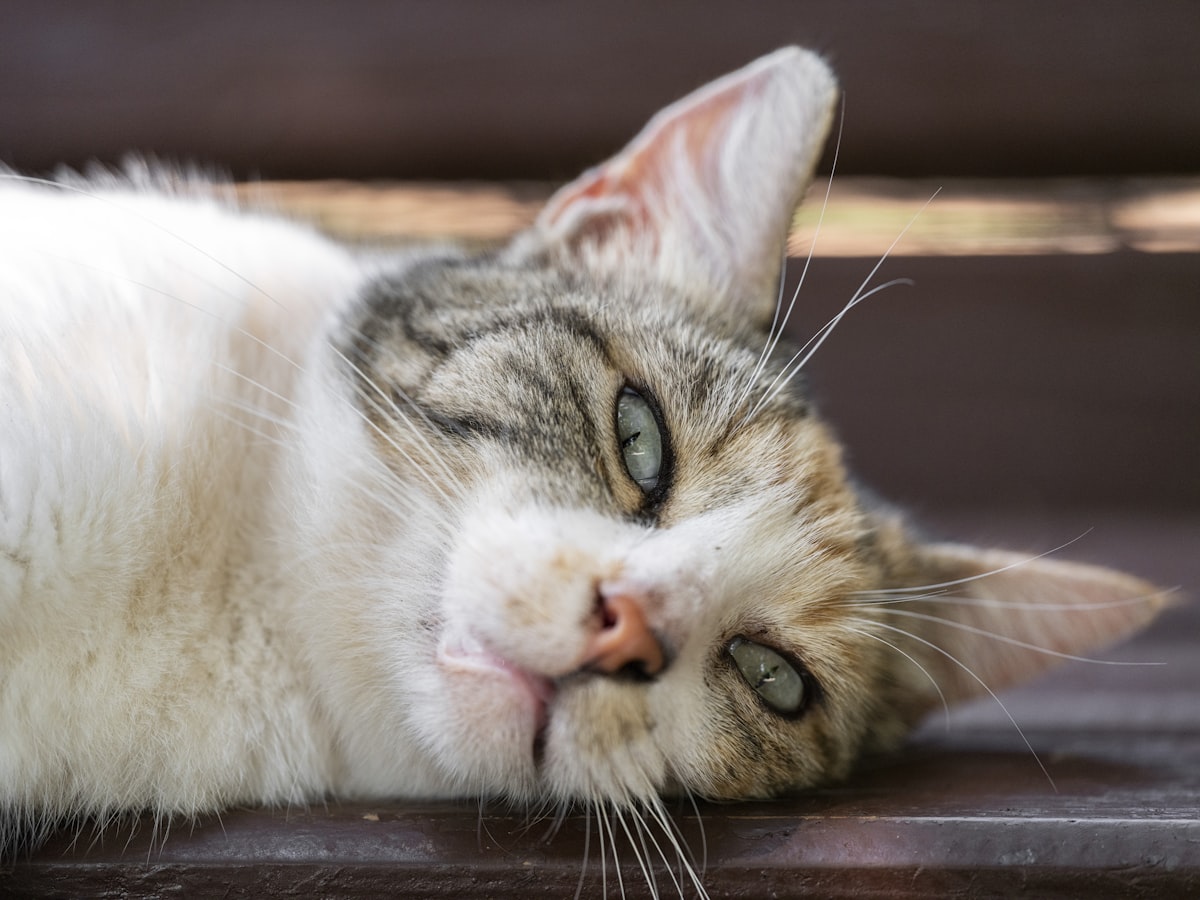
Photo: Unsplash
Ageing pets simply need the vet more — and for bigger things. Chronic conditions like arthritis, kidney disease, heart disease and cancer become far more common with age, and they're exactly the expensive, long-running problems that cover is built for. The maths that's merely sensible for a young pet becomes compelling for an older one.
There's a catch owners hit here: traditionally, many insurers made cover for senior pets hard to get, or priced it out of reach. That's changing. Everypaw recently launched pet insurance designed specifically for older cats, dogs and rabbits — because a pet shouldn't lose protection just for reaching their golden years.
The one honest caveat
The best time to insure is before a problem appears. Once a condition is diagnosed — a lifelong condition like canine heart failure, say — it's usually classed as pre-existing. So if your pet is getting older, waiting is the one move that genuinely costs you.
Choosing a Plan That Actually Delivers
Not all cover is equal. If you want a plan that removes the risk rather than adding fine print, one UK provider worth a serious look is Everypaw — part of the LV=/Pinnacle insurance group, with a Which? Best Buy and a Defaqto 5-Star rating (nine years running on two of its Lifetime levels). What stands out:
- Lifetime cover from £1,000 up to £10,000 (and up to £12,000 on its Premier tier) — pick the level that fits your pet and your budget.
- Dedicated cover for older pets, cats, dogs and rabbits.
- 99% of claims paid within five working days, with direct payment to participating vets — so the financial pressure lifts at the exact moment it matters.
- Behavioural treatment included on every tier, plus complementary therapies and dental within the vet-fee cover.
- PawSquad: unlimited access to qualified vets by video, audio or live chat.
That's what "removing the risk" looks like in practice: cover for the young years, the golden years, and the scary Tuesday nights in between.
Don't wait for the emergency to decide
Give your dog, cat or rabbit — at any age — the protection they deserve. See what a plan could look like for your pet.
Explore Everypaw cover →⚠️ Important reminder
This article is for educational purposes and doesn't replace advice from a qualified vet. Whenever your pet shows symptoms or a change in behaviour, always consult a trusted professional. And before buying any policy, read the terms so you know exactly what's covered — an honest plan will happily let you.
Frequently Asked Questions
Is pet insurance worth it in the UK?
For most owners, yes. A single serious claim often runs £1,000–£3,000 or more, which usually outweighs years of premiums — and cover means treatment decisions aren't limited by cost. If your pet never claims, you've paid for protection you were glad not to need.
Can I insure an older pet?
Yes. Some insurers, including Everypaw, offer cover designed for older cats, dogs and rabbits. The key is to start before a condition appears, because pre-existing conditions are usually excluded.
What isn't covered by pet insurance?
Typically pre-existing conditions, routine or preventative care unless you add a wellness option, and anything within the policy's waiting period. Always check the terms and the excess before you buy.
The Bottom Line
Here's the truth, and then you decide. Yes, a pet plan has real costs and real limits. You pay monthly, premiums rise with age, and pre-existing conditions sit outside cover. We haven't hidden any of that.
But weigh it against a single £2,800 surgery, a £1,254 cancer claim, or years of diabetes care — and especially if your pet is getting older — and the conclusion is hard to argue with: a plan almost always wins. Not because someone's selling it to you, but because the numbers, and the peace of mind, land firmly on the side of the owner who's covered. The one thing that only gets more expensive is waiting.
Has your pet ever surprised you with a vet bill you didn't see coming? We'd love to hear your story — it helps every reader who lands here after their own scary Tuesday night.
Compare prices on your pet's medication now on Maggie Search
Where to buy your pet’s medication for less
Ask your vet for a written prescription, then fill it at an online pharmacy. For long-term medication the saving compounds every single month — for the same medicine, in the same box.
Check prices at VioVetWe earn a small commission if you buy through this link. It costs you nothing extra and never changes the prices we show.
Sources & further reading
- Animal Friends — 2025 pet insurance claims data
- ManyPets — UK claims and vet-cost data
- UK veterinary cost surveys (2025) — illustrative regional averages
- Everypaw — cover levels, older-pet policies and ratings
- PDSA — pet health information